Jacob Lawlor
Real Estate Growth + Coaching
A Study in Personal Responsibility
The Major Key to Your Better Future Is You.
A Jim Rohn seminar that changed the way I think about success, responsibility, and who we have to become to create the life we want.
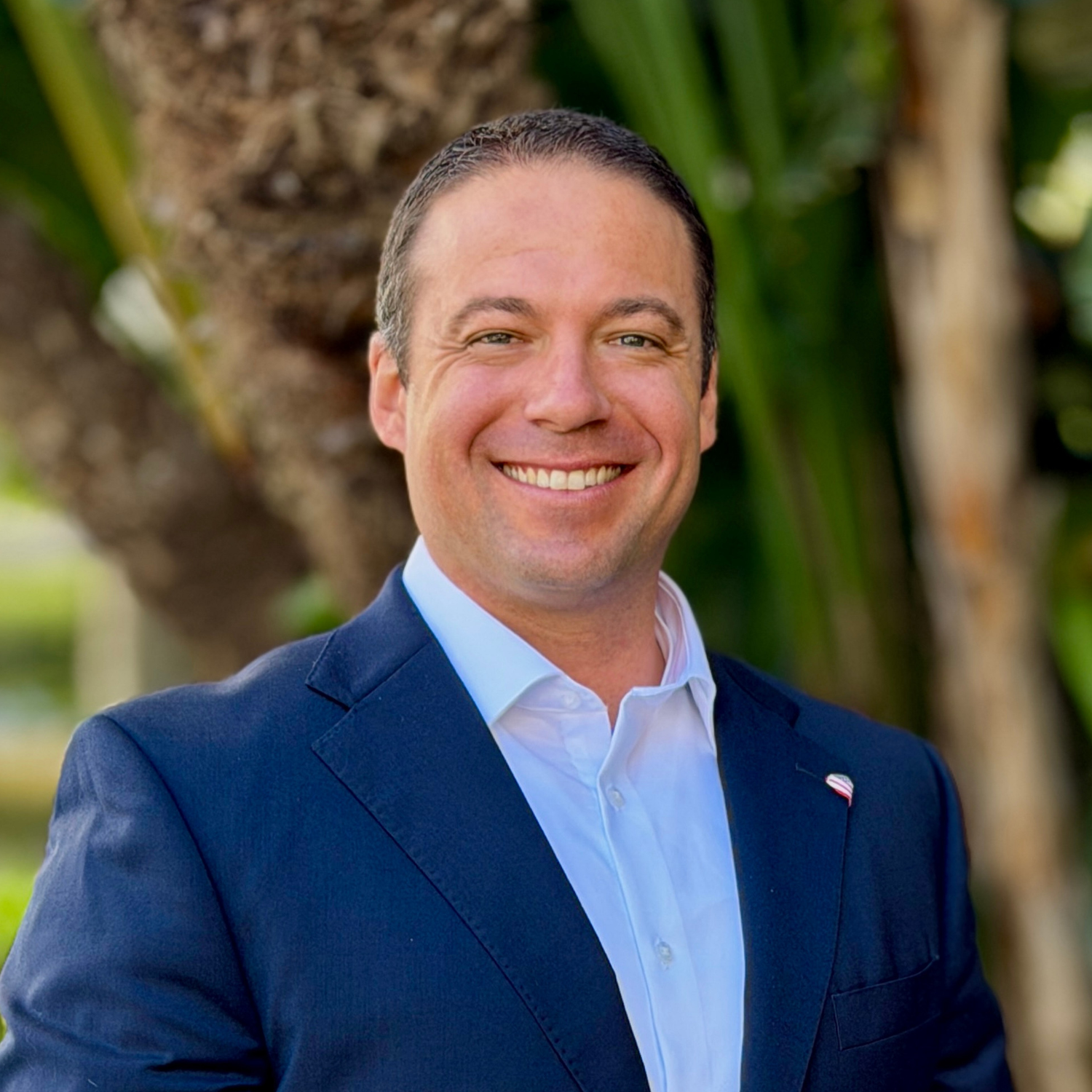
Jacob Lawlor
First Team Real Estate
A Note From Jacob
I’ve read, listened to, and studied a lot of business and personal-development material throughout my career.
Very little has stayed with me the way this seminar has.
Jim Rohn helped change the way I look at success. More importantly, he changed the way I look at responsibility.
It’s easy in real estate to look outside ourselves for the reason things aren’t going the way we want.
The market. Interest rates. Inventory. Our leads. Our brokerage. Our clients. Our circumstances.
Some of those things absolutely affect us. But the question that has served me much better throughout my career is:
What can I do about it?
And even deeper:
Who do I need to become to create a different result?
That is why I’m sharing this seminar with you.
But I don’t want you to just watch it. I want you to study it.
The Seminar
Start Here.
Set aside the time. Put your phone away. Open the workbook. Pause the video when something hits you. Write things down.
This is 2+ hours that can be worth far more than 2+ hours if you actually study it.
The Workbook
Don’t just watch it. Work through it.
I created a study guide to help you slow down, capture the most important ideas, and apply them to your own real estate career.
Some of the questions and blanks intentionally require you to listen closely. That’s the point.
Print it before you begin, or keep it open while you watch.
How to Use This Page
Watch Less. Study More.
01
Give It Your Attention
Block out the time instead of playing it in the background.
02
Keep the Workbook Open
Write the missing words, capture the ideas, and answer the questions honestly.
03
Pause When You Need To
You are not trying to finish the video quickly. You are trying to understand it.
04
Decide What Changes
Knowledge is only useful when it changes behavior.
The goal isn’t to finish the video. The goal is to be different when you finish it.
The Question Underneath the Entire Seminar
Who do you need to become?
If you want a different business, different income, different confidence, or different life, Jim Rohn’s argument is that the first place to look is not outside yourself.
Look at the person producing the current result.
“The major key to your better future is you.”
Core Concepts From the Seminar
The Ideas Worth Studying.
01
Become More
Jim Rohn begins with the idea that what we have is often connected to what we have become capable of producing.
“You can have more than you’ve got because you can become more than you are.”
Before asking how to make more money, ask what skills, habits, knowledge, discipline, and value would make that income a natural consequence.
02
Create More Value
Time is limited.
Value is expandable.
“You can’t get more time, but you can create more value.”
“We primarily get paid for value.”
Your leverage comes from becoming better at the things clients value: communication, judgment, negotiation, market knowledge, follow-up, presentation, problem-solving, and trust.
03
Take Responsibility
Rohn does not argue that circumstances are irrelevant. Markets change. People disappoint us. Deals fall apart. Bad things happen.
His point is that circumstances are a bad place to permanently locate your power.
“For things to change for you, you’ve got to change.”
“The only way it gets better for you is when you get better.”
You may not control the market. You still control what you study, who you call, how you follow up, how prepared you are, what skills you develop, and what you do next.
04
Learn the Seasons.
Rohn’s four-season framework: difficulty, opportunity, protection, and harvest arrive on a cycle. The work is learning how to handle each one.
Winter
Learn how to handle difficulty.
“Don’t wish it was easier. Wish you were better.”
For the AgentHard markets reveal the skills you still need to build.
Spring
Take advantage of opportunity.
Opportunity eventually arrives, but opportunity without action creates no harvest.
For the AgentPlant while the opportunity exists.
Summer
Protect what you start.
“All good will be attacked.”
For the AgentFollow-up, relationships, prospecting habits, skill, and standards deteriorate when they aren’t protected.
Fall
Accept the harvest.
Strong result or weak result, learn from what the season produced.
For the AgentReview the result without excuse, learn from it, and plant better next time.
The Mirror
Put Yourself on the List.
Rohn tells the story of listing every external explanation for why he wasn’t doing well.
Then his mentor identifies what is missing from it.
“Big problem with your list: you ain’t on it.”
ME.
Personal responsibility doesn’t mean everything is your fault. It means you refuse to give away responsibility for your response.
“It’s not what happens. It’s what you do.”
What is currently on your list of reasons?
And where do YOU belong on that list?
Discipline
Motivation Is Not the Plan.
Temporary enthusiasm is not enough. Enthusiasm fades on the days that matter most. What carries a career is the ability to make yourself do the work anyway.
“Get excited over your ability to make yourself do the necessary things.”
“Start with the little disciplines.”
The little disciplines:
- Make the calls
- Follow up when you said you would
- Study the market
- Practice the presentation
- Know the contract
- Update the database
- Show up prepared
- Do the work even when nobody is watching
The small disciplines eventually become the person.
Make It a Study
Stop Winging It.
“If you wish to be successful, study success.”
“Don’t leave it to chance. Make it a study.”
Real estate is a profession worth studying.
- contracts
- sales
- negotiation
- communication
- pricing
- market conditions
- lead generation
- follow-up
- presentations
- human behavior
- technology
- your own performance
“Don’t be a follower. Be a student.”
Sowing and Reaping
The Harvest Comes Later.
Real estate agents frequently experience a delay between activity and result. Calls today may produce an appointment later. An open house may create a client months later. A past-client relationship may create a referral years later. Skill development may not show up immediately in income.
That does not make the planting irrelevant.
“If you don’t sow, you don’t reap.”
Closings are harvest. The question is whether you’ve been planting.
Goals + Reasons
Don’t Just Make a Living. Design a Life.
“Make a living or design a life.”
Rohn distinguishes between goals and the emotional reasons underneath them.
“Reasons come first. Answers come second.”
What Do You Want?
- Income
- Production
- Financial freedom
- A home
- Travel
- Time
- Options
- Contribution
- A respected career
Why Does It Matter?
A production goal without a meaningful reason underneath it rarely survives inconvenience.
“The future does not get better by hope. It gets better by plan.”
Guard Your Mind
Stand Guard.
“Every day stand guard at the door of your mind.”
The seminar was recorded decades before social media, smartphones, doomscrolling, constant market alerts, online comparison, and algorithmic outrage.
The principle may be even more relevant today.
What are you allowing into your mental factory every day?
- Market fear
- Office gossip
- Social-media comparison
- Cynical agents
- Negative headlines
- Constant industry outrage
Being informed is important. Being programmed by negativity is different.
The Four Emotions That Can Change a Life
Where Change Actually Begins.
Disgust
“I’ve had it.”
Sometimes change begins when the current situation is no longer acceptable.
Decision
“If it’s hard, do it hard. Just get it done.”
Eventually reflection has to become a choice.
Desire
A meaningful enough reason creates energy. Something has to matter.
Resolve
“I will.”
Resolve is promising yourself that you will not quit on the person you’re trying to become.
Now What?
You can agree with everything in this seminar.
You can highlight every quote.
You can fill out every page of the workbook.
You can feel motivated.
And still change nothing.
Rohn ends where all useful personal development eventually has to end:
Action.
“Don’t just be listeners. Be doers.”
What are you going to do starting tomorrow that will make a difference?
The Workbook
Study It. Don’t Just Watch It.
The workbook is designed to slow you down, make you listen, make you write, and make you apply the ideas to your own business.
Print it. Grab a pen. Start the video.
I first connected with this seminar because of what Jim Rohn says about responsibility.
Over time, I realized the message goes much deeper than simply “take ownership.”
It’s about becoming more valuable. Building discipline. Studying your craft. Setting meaningful goals. Handling difficult seasons. Protecting your mind. Planting before you expect a harvest. And ultimately deciding that your future deserves something different from you.
I can’t promise this seminar will affect you the same way it affected me. But I can tell you this: if you really study it, there is enough here to change the way you look at your business and your life.
Don’t rush through it. Do the work.
— Jacob Lawlor